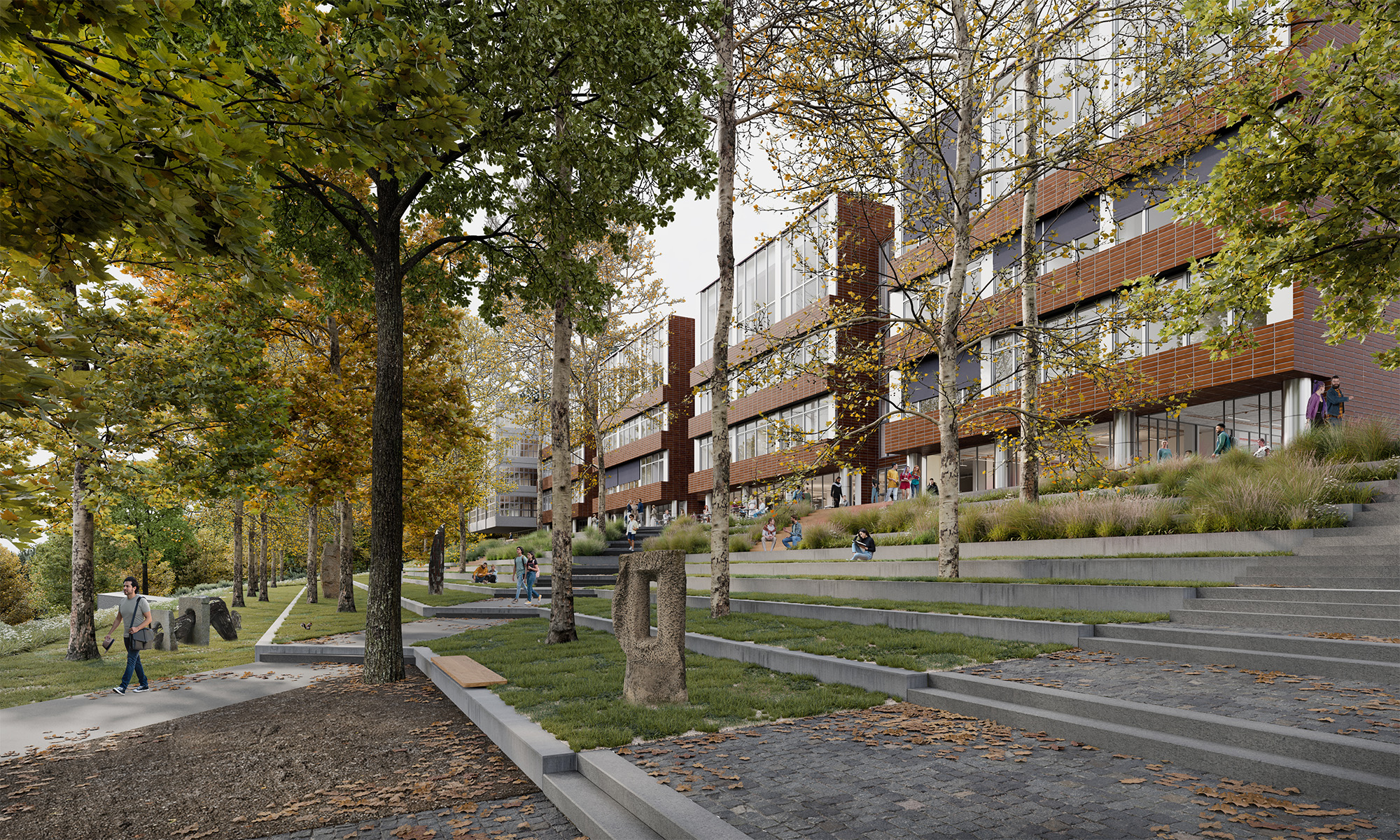
Art Campus of the Academy of Fine Arts and Design
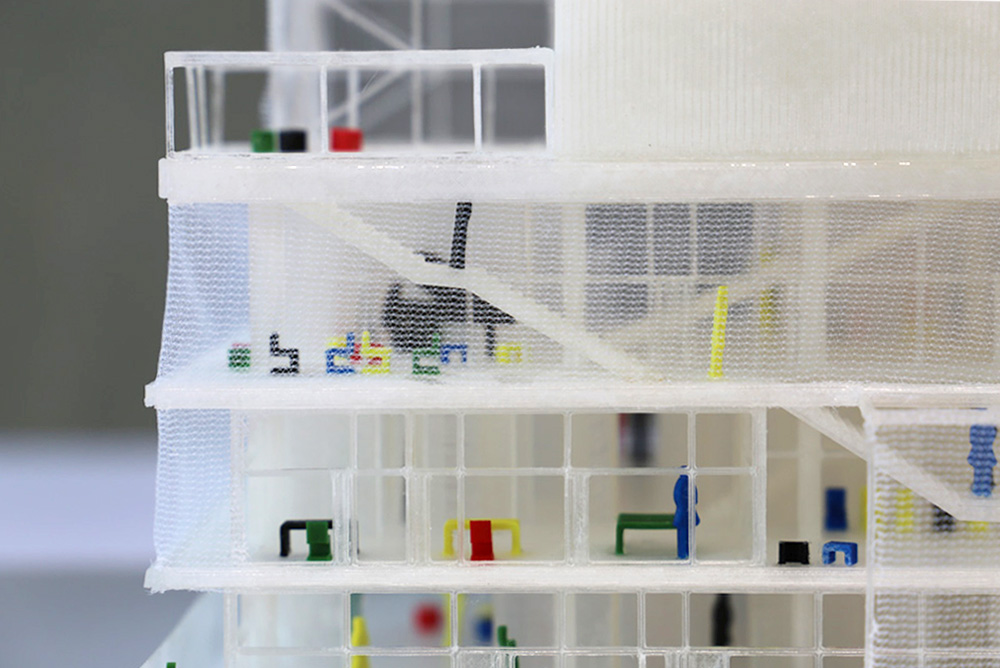
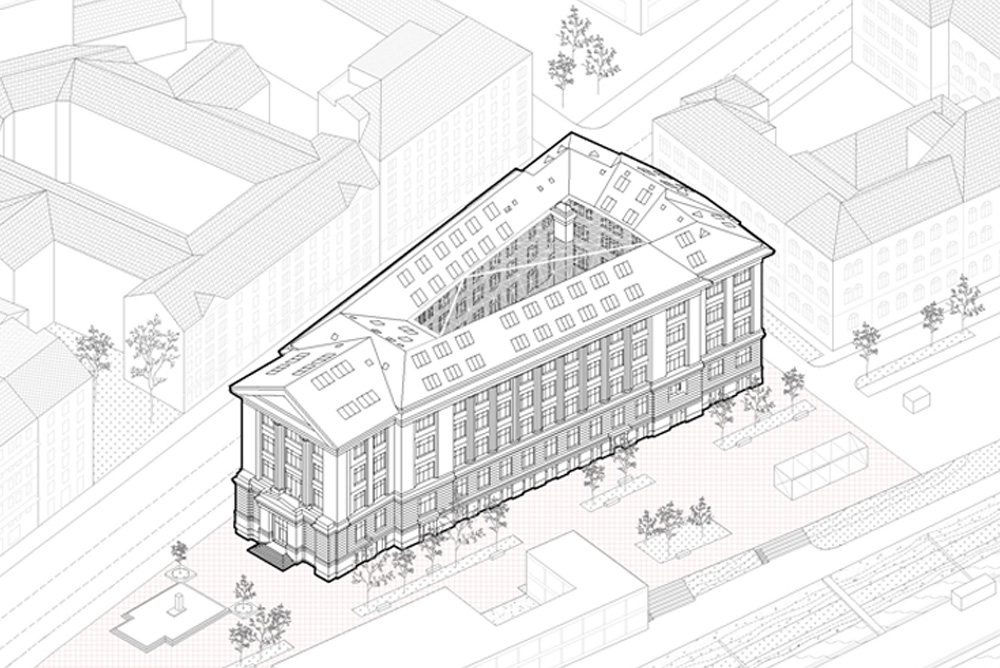
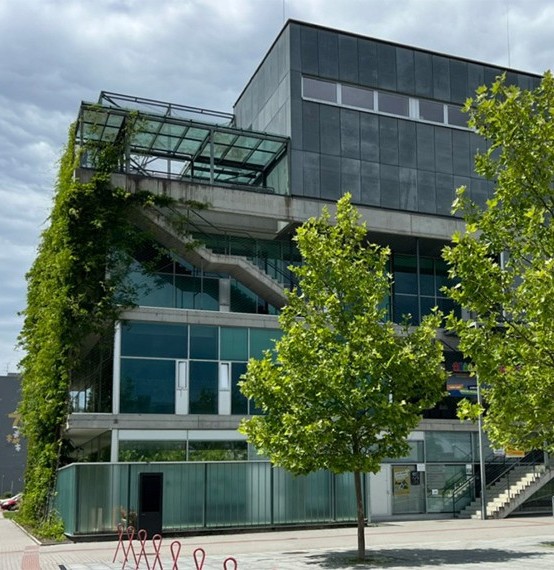
Art Campus includes the renovation of the existing Atelier Building, the construction of new infrastructure, a Technological Pavilion, an Academic Building, a student residence with a dining hall, together with landscaping across the Academy of Fine Arts and Design campus at Drotárska 44 in Bratislava. The campus will bring together all academic facilities for teaching, technical and technological, artistic, and research activities, as well as administrative and academic services, including accommodation and dining facilities that are currently dispersed across several locations throughout the city. The campus is conceived as an open framework capable of responding to the changing needs of an institution whose activities connect art, design, technology, and research.
The Academy of Fine Arts and Design in Bratislava was founded in 1949 and is the largest institution of its kind in Slovakia. Its primary activity is education in the field of Art, encompassing painting; sculpture, object and installation; printmaking and illustration; photography; intermedia; digital art; applied arts, including jewellery, ceramics and glass; visual communication design, including graphic design; industrial design; fashion and textile design; architectural design; and restoration. It also offers education in the field of Art and Cultural Studies, focusing on the history and theory of fine art and architecture. In addition to teaching and study, the school's faculty and students are actively engaged in artistic practice, research, grant-funded activities, and project-based work.
Location: Drotárska 44, Bratislava, Slovakia
Client: Academy of Fine Arts and Design in Bratislava
Status: Competition 1st Prize, Project in progress
Program: Technological Pavilion 7 400 m², Renovation of the Existing Atelier Building 7 400 m², Academic Building 15 600 m², Student Residence with Dining Hall
8 700 m², Two Parks
Team
Michal Sulo (Lead Architect), Jana Nagyová (Project Architect), Alžbeta Ďurecová, Benjamín Gontkovič, Miriam Lišková (Permitting and Approvals), Lenka Baková, Samuel Bobaľa, Dominik Haviar, Zuzana Jančeková, David Jimenez Iniesta, Dominika Jenčová, Irene López Barbeito, Mário Melek, Boris Rusiňák, Viki Sabadošová
Collaborators
Structural Engineering BCKS Inžinieri s.r.o., Structuress s.r.o.
Water Supply, Sewerage and Stormwater Systems PROREAL - Ka s.r.o.
Electrical Engineering JANELE spol. s.r.o.
Ventilation Engineering KAMAP s.r.o.
Chladenie GIFT s.r.o.
Gas Installations PROREAL - Ka s.r.o.
Thermal Engineering Enerma s.r.o., IEPD
Building Energy Simulations Simulácie budov s.r.o.
Heating and Cooling Systems, Ground-Source Heat Pump Boreholes GEROtop spol. s.r.o.
Fire Safety Juraj Olbřímek, Ing. Jana Kriváček Koropecká po2k
Fire Alarm Systems JANELE spol. s.r.o.
Smoke and Heat Exhaust Systems Colt International s.r.o.
Transport Engineering DS-projekt s.r.o.
Landscape Architecture Ateliér Divo
Acoustics AkuDesign s.r.o.
Lighting Engineering TIGAir s.r.o.
Waste Management ENVIS
Workshop Technology, Technological Waste Management D&T Solutions
Kitchen Technology GAMA Fobos, s.r.o
Cost Management Rosoft, s.r.o
More about Artcampus

1980s Original Project Campus Artcampus for Academy of Fine Arts and Design (Architect Kuzma)
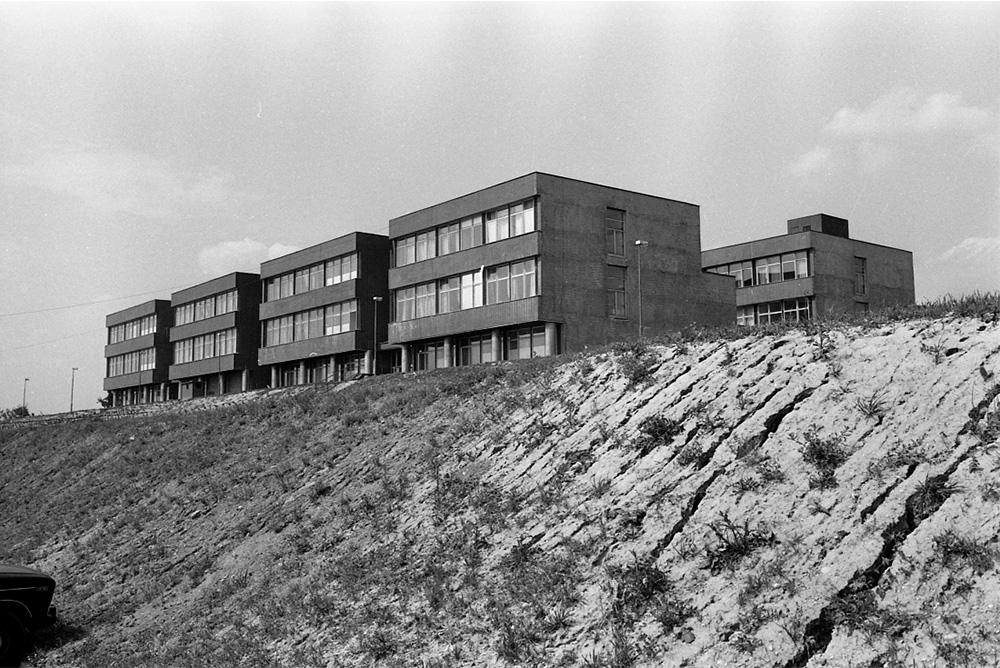
Partially Completed in 1988 (Atelier Building, Based on the Original Design from the 1980s)
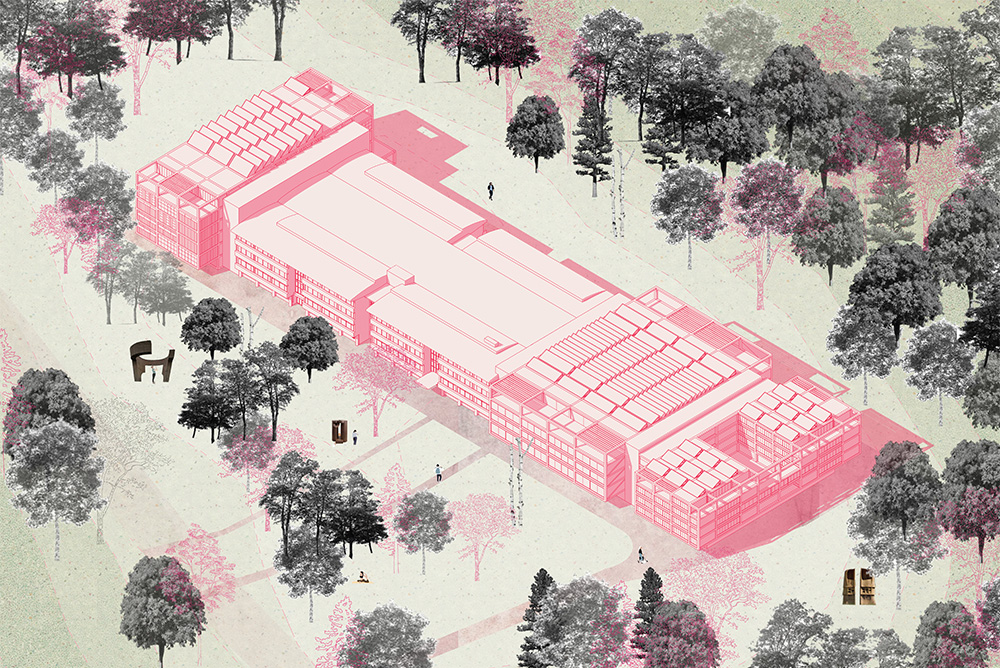
Competition Entry for the Art Campus Development, Including a Technology Pavilion, Student Residence with Dining Hall, and Academic Building (Winning Competition Entry by SLLA)
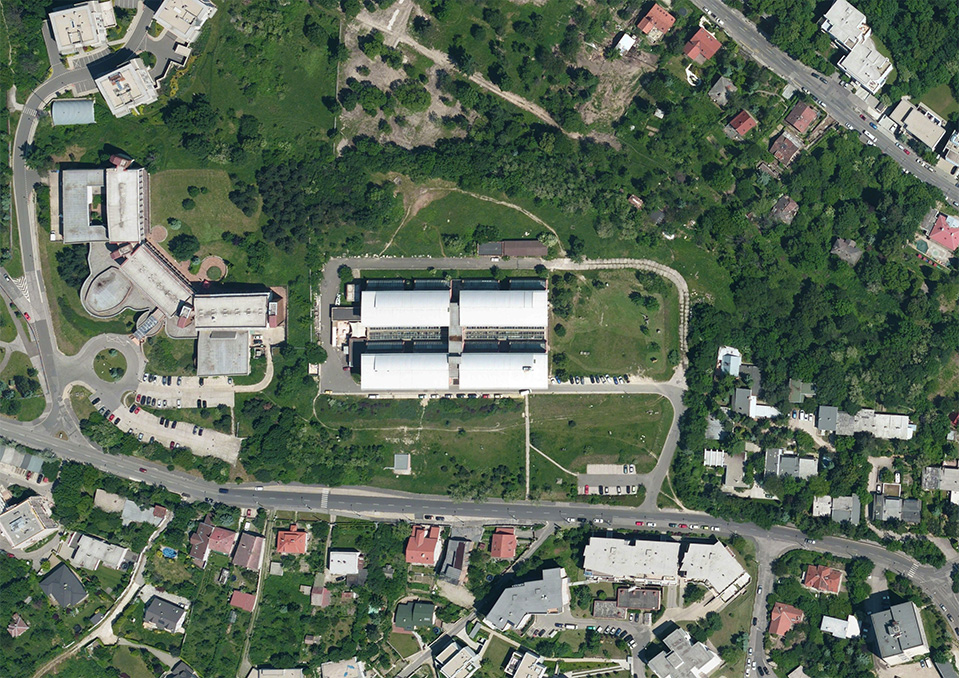
Existing Site with Existing Atelier Building

Art Campus Development
Technological Pavilion, Renovation of the Existing Atelier Building, Academic Building, Student Residence with Dining Hall

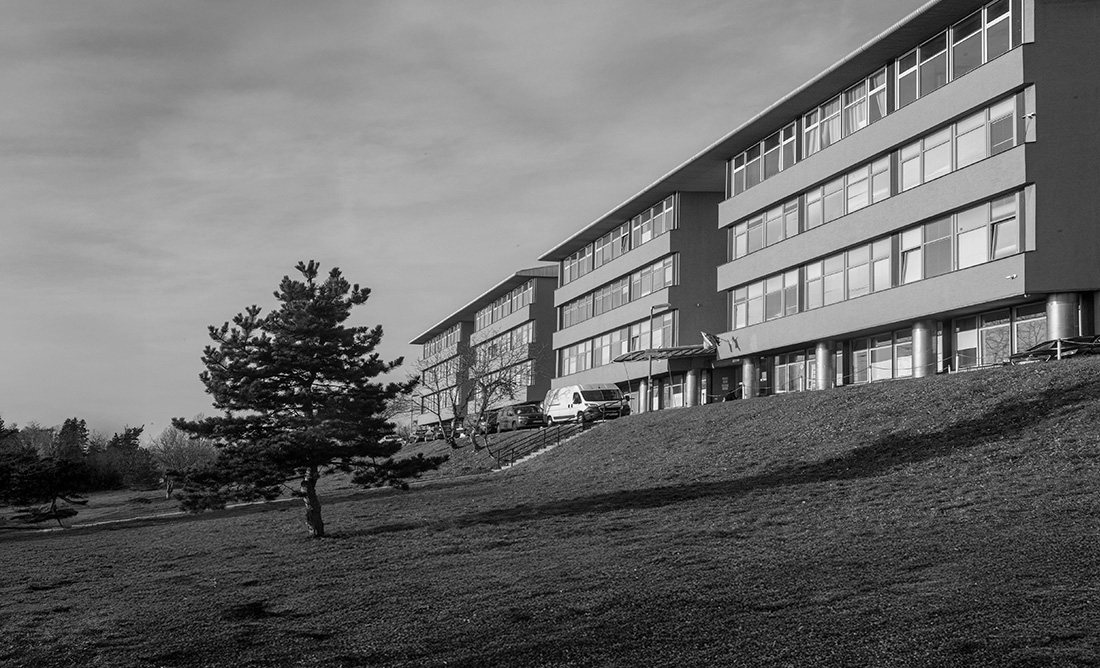
Existing Atelier Building
Due to significant technical deficiencies, poor energy performance, and the need to
provide a contemporary and high-quality learning environment, a comprehensive technical
and energy assessment of the existing building was carried out. Additional studies
evaluated the structural condition, fire safety, daylight performance, acoustics,
building services, electrical systems, and energy efficiency.
The audits identified severe deterioration of the roof and façade, including glazing
systems in critical condition, while the building envelope, heating, and lighting systems
no longer meet current standards. The building was classified in the lowest energy category,
and the assessments concluded that a comprehensive renovation is necessary to improve safety,
reduce energy consumption, and enhance indoor environmental quality.
The project of the Renovation of the Existing building also responds to the needs
of the Academy of Fine Arts and Design by upgrading educational facilities and creating
additional shared spaces. A new covered atrium will connect the existing building blocks
and provide a multifunctional space for communication, study, and social interaction.

Two Parks
The southern green entrance space, opening to the city, and the informal northern landscape, opening towards the Carpathian Mountains, define the future building block, including the existing Atelier Building, within the Art Campus of the Academy of Fine Arts and Design.

Renovation of the Existing Atelier Building
The renovation of the existing main building includes the reconfiguration of the floor plans on all retained levels, comprising the entrance level,
the basement, the first and second floors, as well as the addition of new third and fourth floors replacing the original rooftop extension.
The project also introduces a glazed roof over the atrium between the southern and northern wings of the existing building.
Department of Digital Arts
Department of Design
Department of Photography and New Media
Department of Graphic Arts and Other Media
Department of Intermedia
Department of Drawing
Department of Conservation and Restoration
Department of Sculpture, Object and Installation
Department of Textile Art
Department of Glass Art
Department of Ceramic Art
Department of Jewellery Art
Department of Visual Communication
Facilities Management
Centre for Education and Presentation
Total Gross Floor Area 16 000 m²

Technological Pavilion
The technological pavilion forms the technical and operational backbone of the school. It houses workshop and production facilities
that support the educational process across the entire campus.
It ensures efficient movement of materials and products within the building and towards the existing school building,
with which it is interconnected on all levels.
Wood and Stone Processing Centre
Metal Casting, Cutting and Welding Centre
Surface Finishing Centre
Model-Making Centre
Textile Printing, Dyeing and Processing Centre
Audiovisual Production Centre
2D and 3D Printing Centre
Photography Processing Centre
Metal Casting, Cutting and Welding Centre
Facilities Management
Total Gross Floor Area 7 400 m²
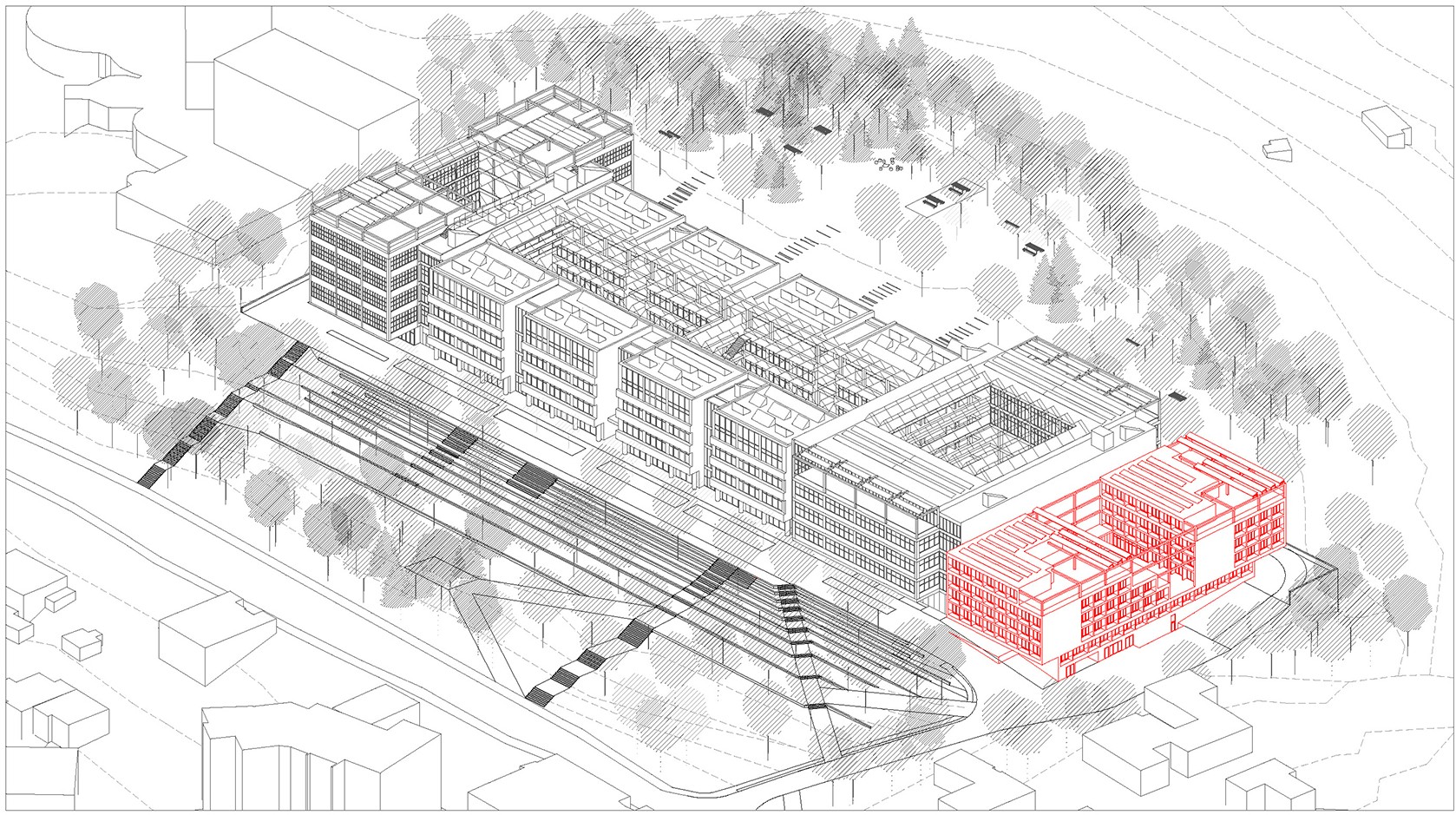
Student Residence with Dining Hall
The student residence provides accommodation for 208 students and catering services for both students and staff.
Total Gross Floor Area 8 700 m²
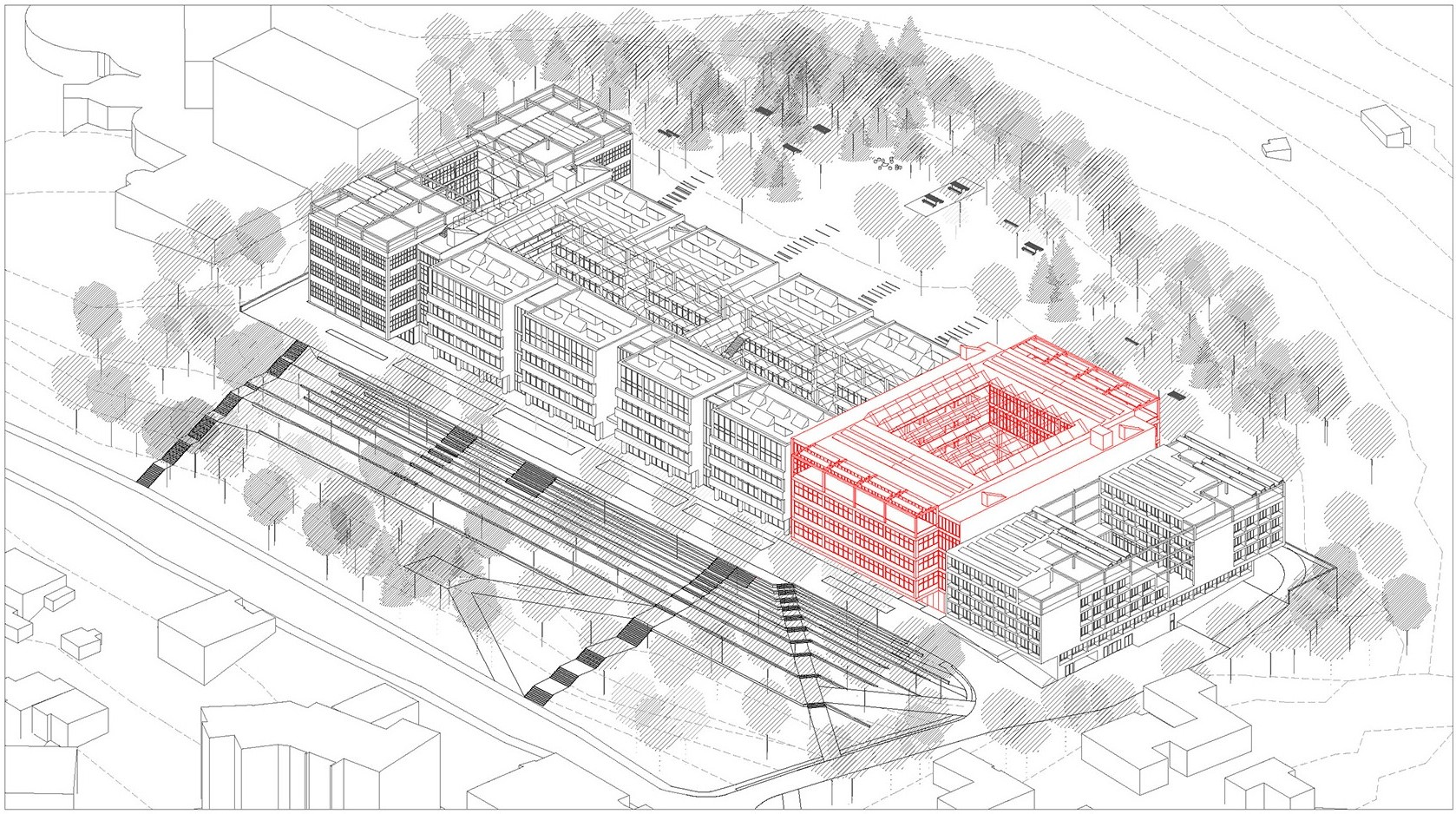
Academic Building
Aula, Lecture rooms
Department of Theory and History of Art
Academic Library
Rector's Office and Administration
Department of Painting
Department of Architecture
Total Gross Floor Area 15 600 m²
Central halls, atriums, courtyards
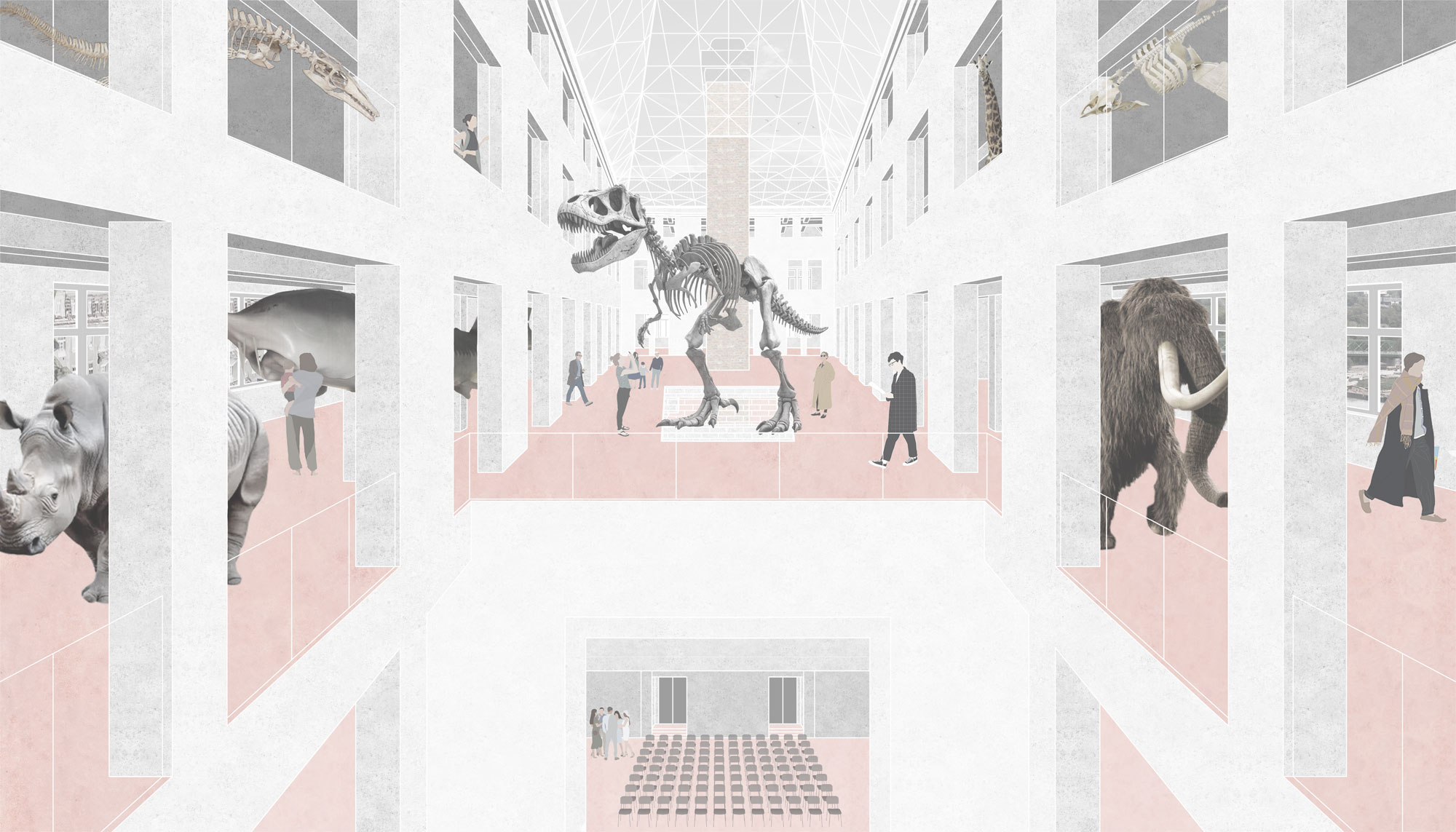
The interconnected central spaces of the buildings form a continuous shared multifunctional space.
Technological Pavilion Hall Existing Atelier Building Covered Atrium Academic Building Central Hall Student Residence Courtyard
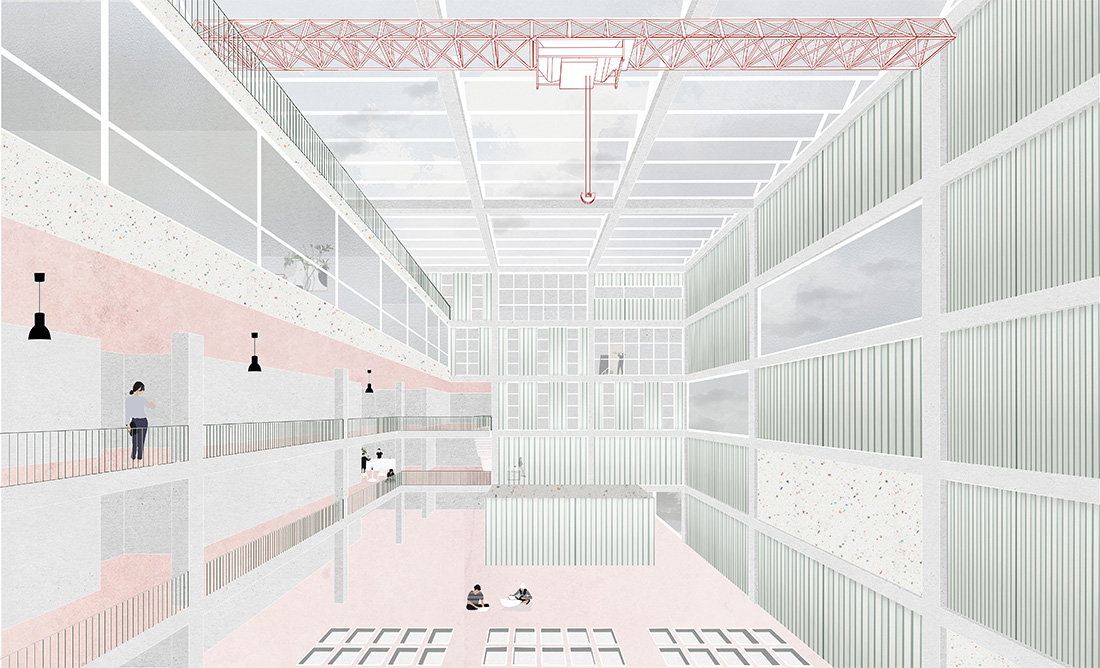
Technological Pavilion Hall
A multifunctional industrial hall equipped with an overhead crane, designed as an extension of the school's technological centers and workshop facilities. It provides flexible space for fabrication, prototyping, and large-scale production, while also accommodating presentations, exhibitions, meetings, lectures, and public events. By combining advanced technical infrastructure with adaptable public use, the pavilion supports both creative experimentation and collaboration across the academic community.
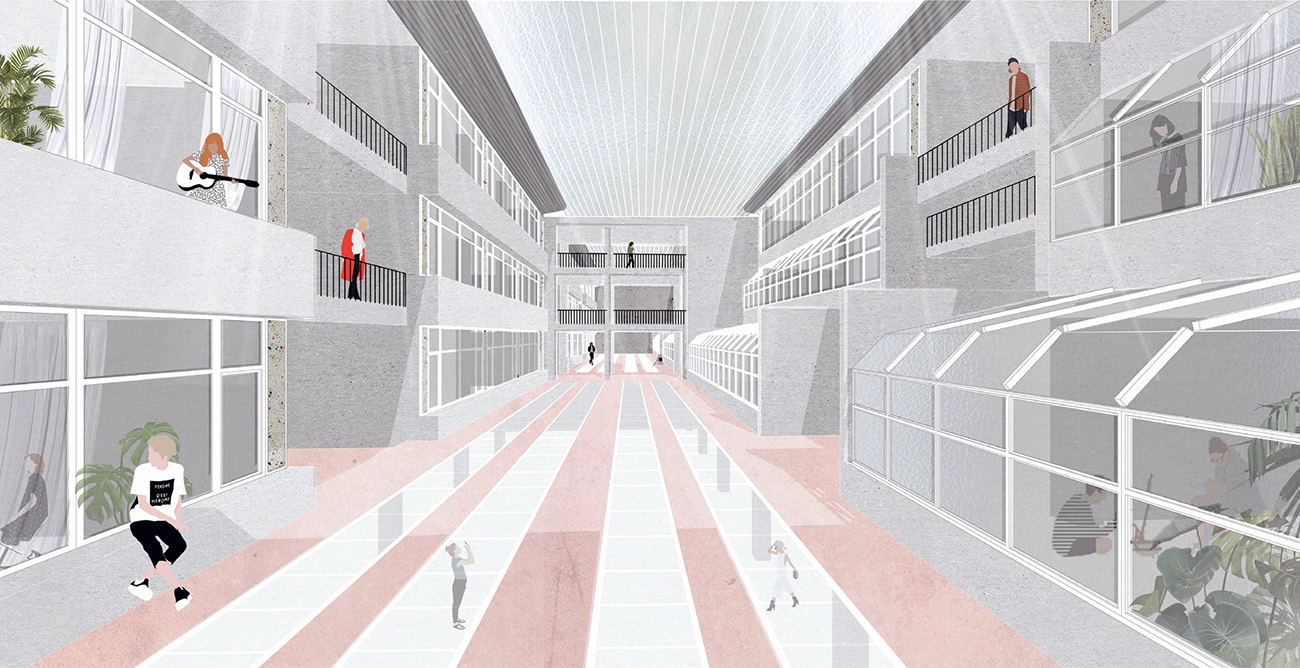
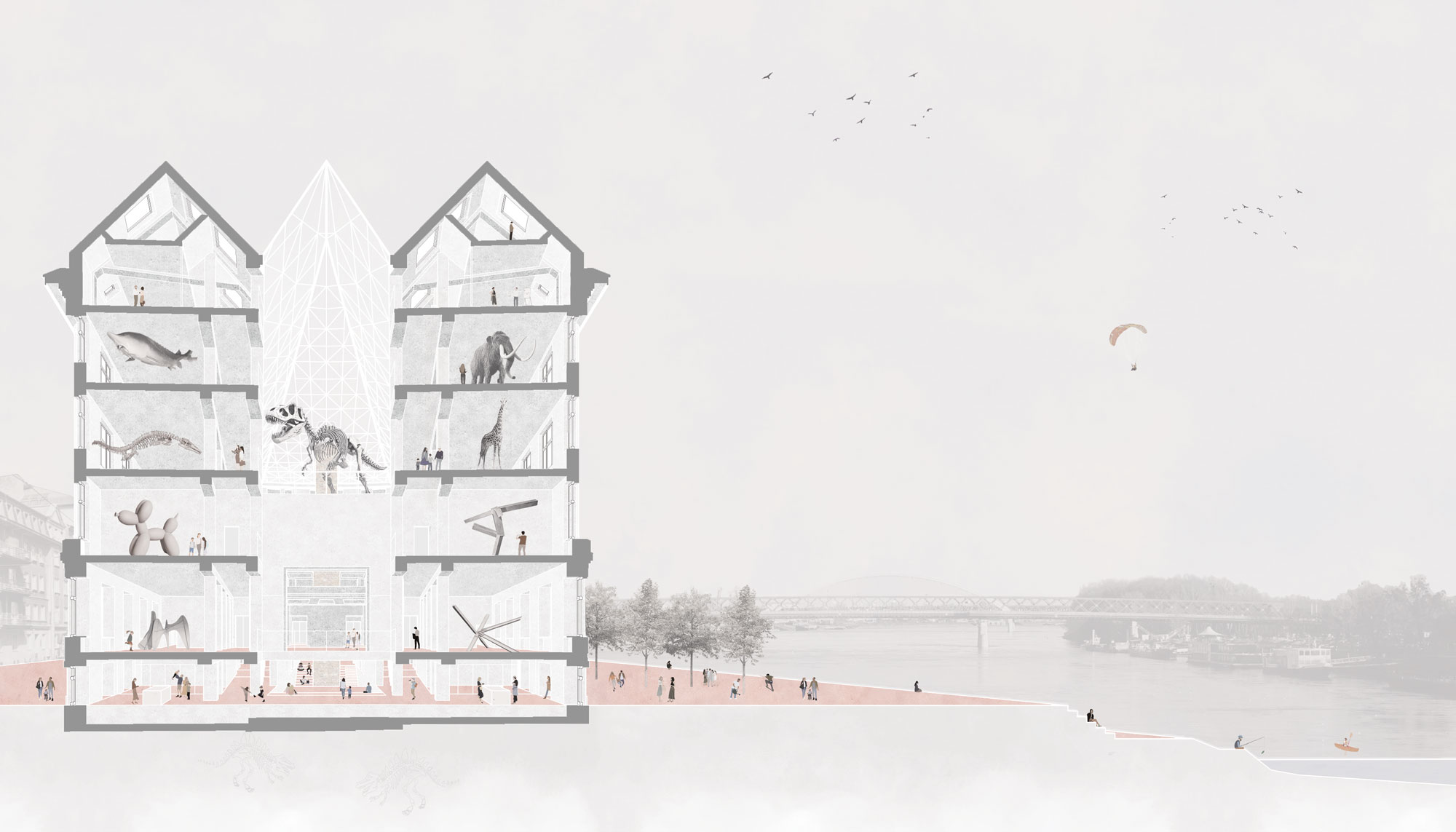
Existing Atelier Building Covered Atrium
The project transforms the space between the existing building blocks into a new covered
central atrium, creating the primary social and communication hub of the school.
The former roof above the workshops becomes an accessible roof terrace overlooking the atrium,
while the newly enclosed space provides a flexible environment for everyday interaction
and major academic events.
The project transforms the space between the existing building blocks into a new
covered central atrium, creating the primary social and communication hub of the school.
The former roof above the workshops becomes an accessible roof terrace overlooking the atrium,
while the newly enclosed space provides a flexible environment for everyday interaction
and major academic events.
The enclosed atrium also acts as a climate buffer zone. A naturally driven ventilation system
uses the stack effect during spring, summer, and autumn: fresh air is introduced through
ventilation inlets in the staircases and along the north and south façades,
while warm air is exhausted through openings in the roof. During summer, the atrium is shaded
and cooled with night ventilation to reduce heat gains.
In winter, the ventilation inlets are closed, minimizing infiltration and heat loss
and allowing the atrium to operate as a thermally protected intermediate space.
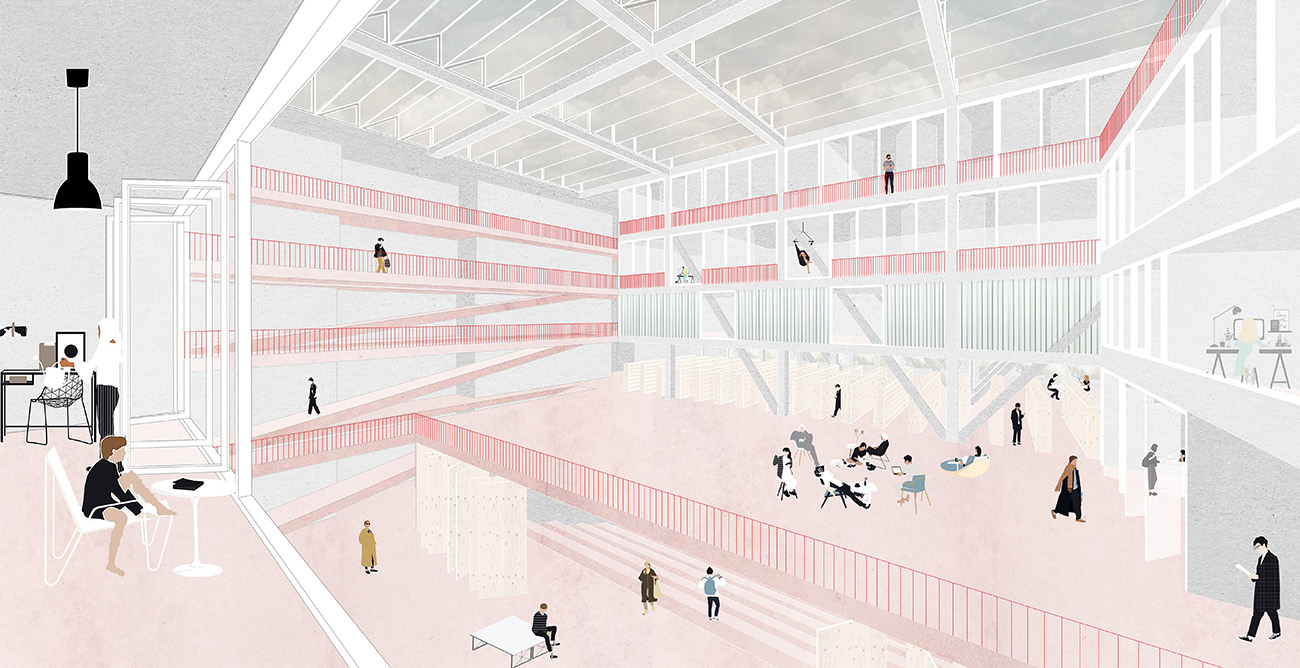
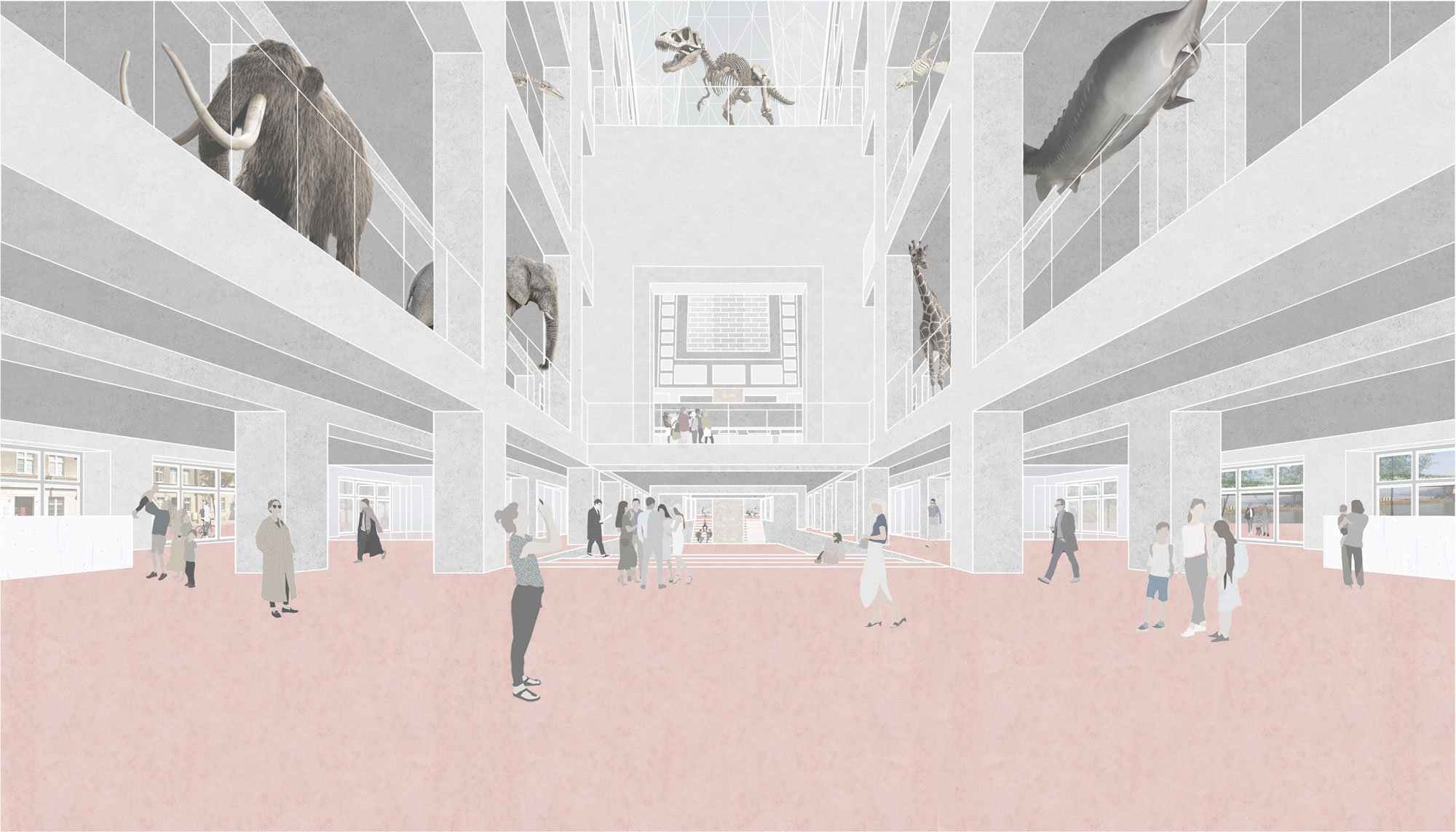
Academic Building Central Hall
The Central Hall forms the heart of the Academic Building, connecting the existing blocks through
a system of inhabited ramps and circulation spaces on both sides. At its center,
the Academic Library acts as the building’s main meeting point and intellectual hub,
complemented by the Aula and lecture rooms that support teaching, public events, and academic exchange.
The building brings together key educational and administrative functions,
including the Department of Theory and History of Art, the Department of Architecture,
the Academic Library, and the Rector’s Office and Administration.
Designed to encourage interaction and collaboration, the Central Hall creates a vibrant environment
for study, discussion, and everyday campus life.

Student Residence Courtyard
Student rooms are organized into small residential clusters that share common living spaces
and are connected through semi-open circulation areas facing the courtyard.
This layered arrangement creates a gradual transition from private rooms to shared spaces
and the collective life of the residence.
Open to the sky and accessible from every floor, the courtyard provides a place for meeting,
studying, relaxing, and informal interaction. By bringing daylight, air, and greenery into
the center of the building, it fosters a strong sense of community while offering a calm
and welcoming environment for everyday student life.

Proposed Covered Space Between the Building Blocks as Part of the Renovation of the Existing Atelier Building
The existing roof above the workshops is transformed into an
accessible roof terrace forming the central atrium. This intervention
creates a new circulation route as well as a shared social and
gathering space for students, faculty, and visitors. The atrium
serves as the school's principal communal space, accommodating
exhibitions, installations, presentations, consultations,
matriculation ceremonies, graduation ceremonies, and informal
everyday activities.
Natural Ventilation Strategy
Enclosing the atrium creates a buffer zone that improves
the building's environmental performance. The atrium operates in two
ventilation modes.
Spring, Summer and Autumn
The ventilation system operates on the stack effect. Fresh air
is supplied through ventilation ducts located above the ceilings
of each stairwell on the entrance level and the first floor,
along the northern and southern façades. During summer,
the atrium is cooled by night-time ventilation. In the morning,
as the outdoor air temperature begins to rise, the ventilation
ducts are closed to prevent warm air from entering the atrium.
At the same time, the atrium is protected from direct solar radiation
by an external shading system.
Warm air is exhausted through ventilation openings integrated into
the glazed roof.
Winter
During the winter months, the ventilation ducts remain closed to minimise
air infiltration. In this closed operating mode, the atrium functions
as a thermally buffered space, reducing heat loss and improving the
overall energy performance of the building.
Extension of the Existing Building
As the existing roof structure is in poor technical condition, it will be
completely removed. All internal partition walls and floor constructions
will also be demolished.
The reinforced concrete columns and the steel gallery structure will
be retained and reused as part of the new extension.
The ateliers and their gallery spaces are arranged along the external
façades, while circulation is integrated into the central atrium.
The existing transverse connection between the two building wings
is extended at both ends by new access galleries,
creating a continuous circulation route.
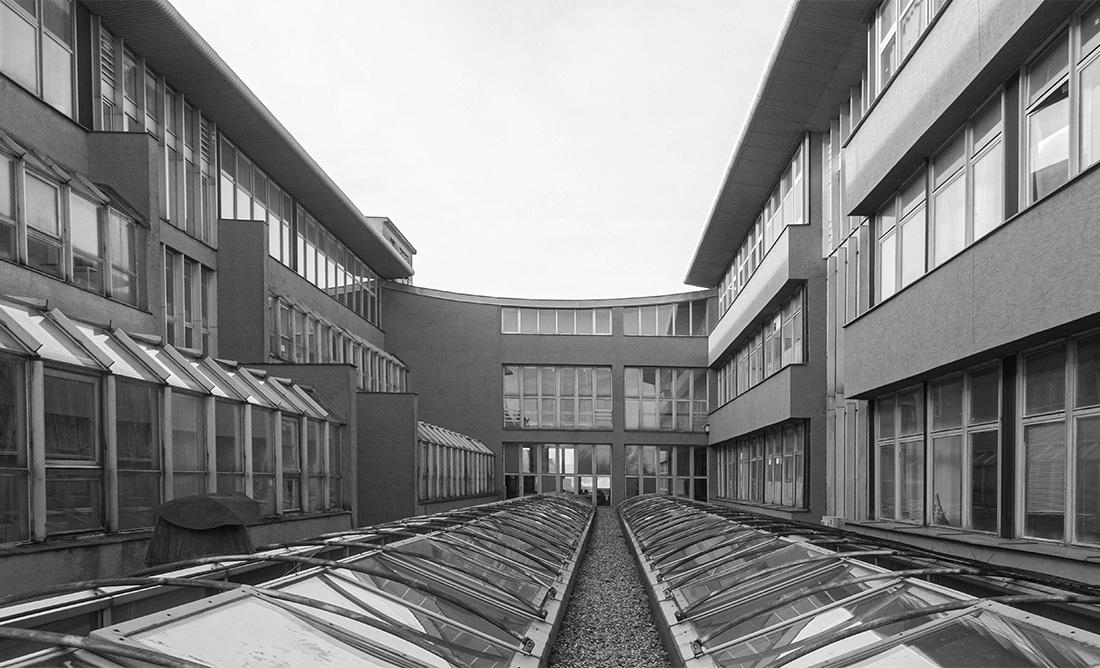
Existing Outdoor Space Between the Building Blocks of the Atelier Building
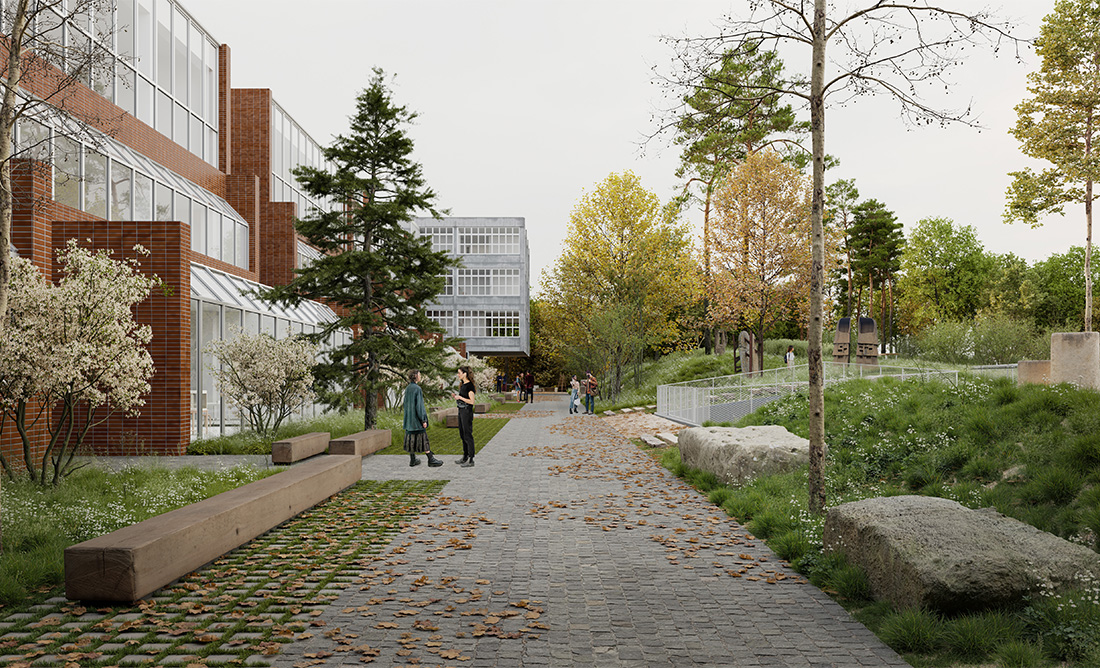
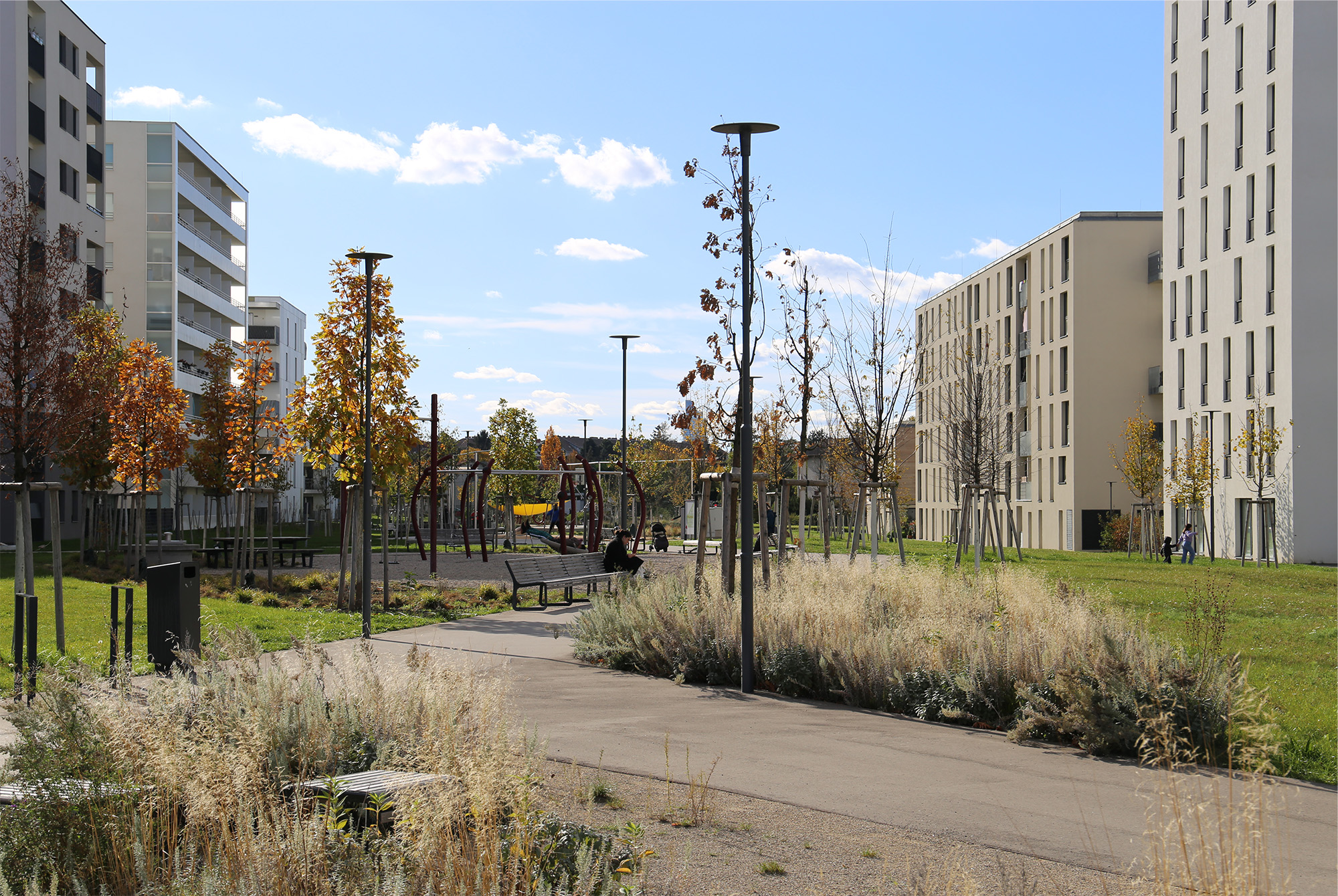
Proposed Informal Park on the Northern Side
The northern landscape forms a natural, informal green space with views towards the Carpathian Mountains. It extends from the façade-level outdoor areas of the academic departments at ground level, through a shared central zone, towards an open pergola structure intended for external activities, and further to the edge of the site above the residential development on the western side.

Existing Access Road Along the North Façade

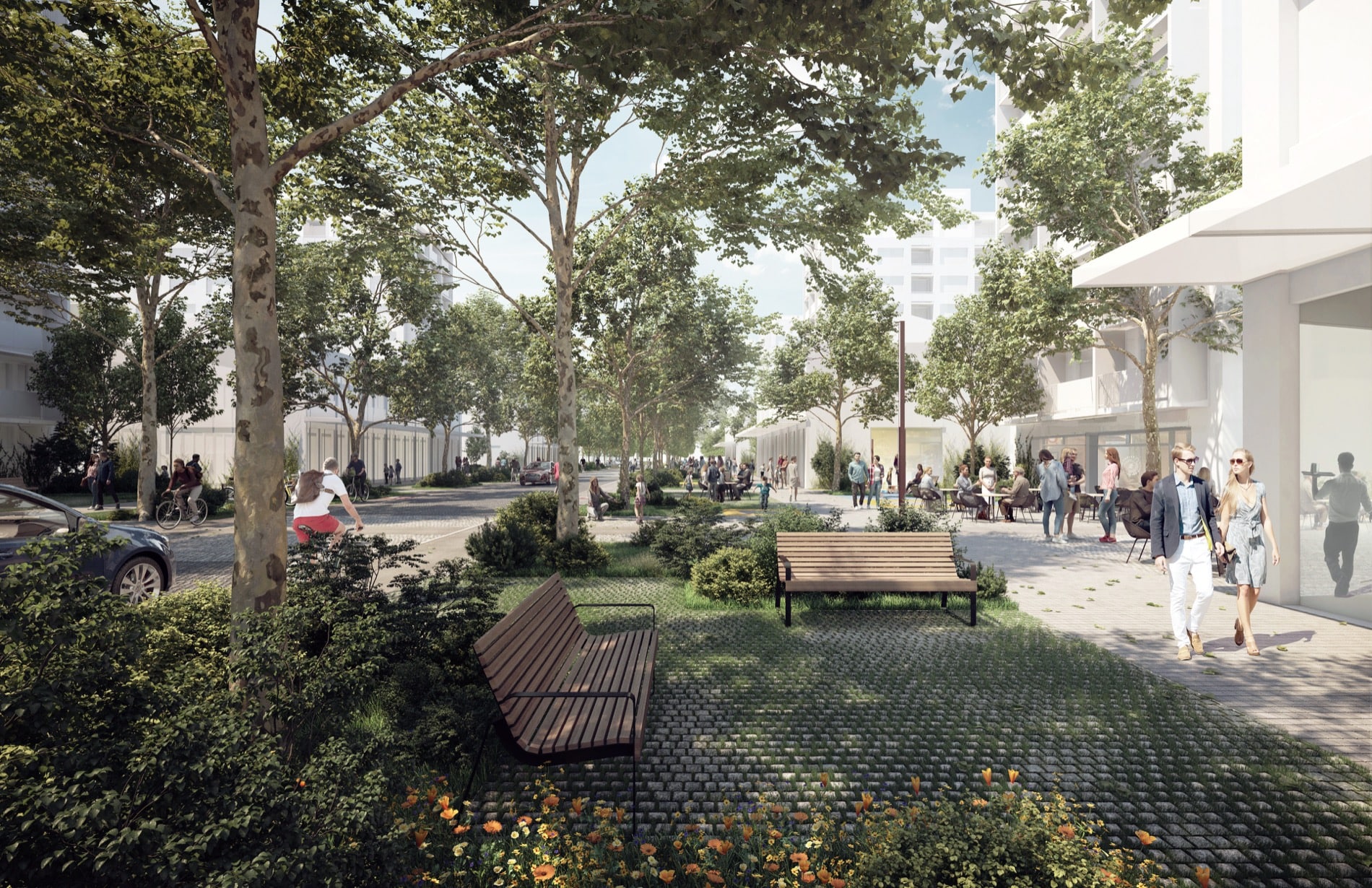
Proposed Entrance Park on the Southern Side
The southern green space extends along Drotárska Road,
forming part of the landscape structure defined by
the spatial plan and the surrounding deciduous
vegetation zone.
The design combines pathways,
permeable surfaces, and planted
areas into a continuous public landscape. At its highest point,
the space connects directly to the main southern entrance,
forming a shared arrival area for the building.
A stepped park landscape with lawns, mature trees,
and installations creates a layered outdoor environment
for exhibition, relaxation, and informal use. Along the street
edge, the park gradually transitions into a more natural
landscape character.
Stormwater is integrated into the design through rain
gardens, swales, and infiltration areas, supporting a
resilient and environmentally responsive landscape system.